


History and archeology buffs cannot just visit a new country without checking all the archeological sites in it. With hundreds of registered sites, Tunisia caters to all preferences and needs. If you happen to visit the North African country, don’t miss visiting Bulla Regia and Chemtou, two historical sites located in Northwestern part of Tunisia, not far from each other.
Both sites are located in the same governorate, Jendouba, an off-the-beaten-track region renowned for its green forests, delicious delicacies and milk varieties, and its lesser-known archeological sites. Since Chemtou is approximately 16 kilometers away from Bulla Regia, this proximity allows travelers to conveniently explore both sites in a single trip.

If you want to wrap your head around it, the World Monuments Fund, in partnership with the Institut National du Patrimoine of Tunisia, has compiled everything you need to know to make an informed decision.
Essential Information About Bulla Regia
Location: Northwest Tunisia, in the Jendouba Governorate.
Opening Hours:
- Open all week.
- Winter Schedule: 08:30 - 17:30
- Summer Schedule: 08:00 - 19:00
- Ramadan Schedule: 08:00 - 17:00
Entrance Fees:
- Residents: 5 DT
- Non-Residents: 8 DT
Facilities Available: Restrooms, Shop, Cafeteria
Reasons to Visit Bulla Regia
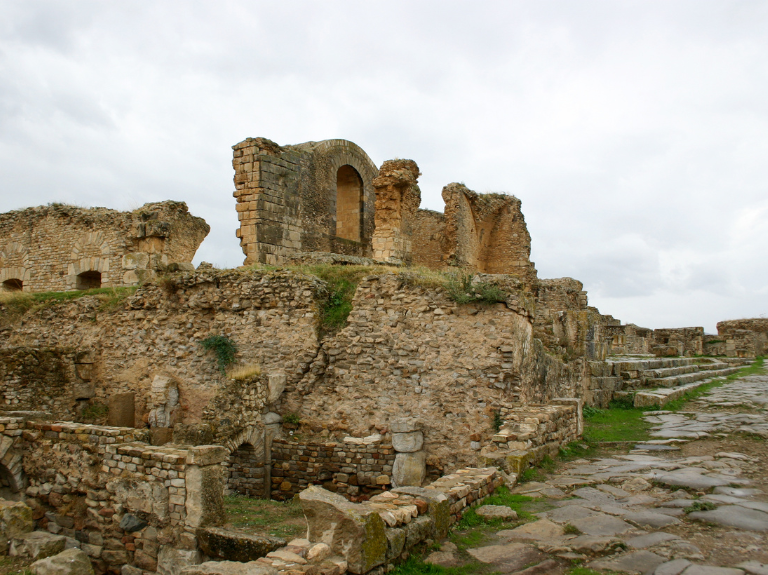
Bulla Regia, also known as Henchir Hammam Darradji, holds a rich historical significance. Once a thriving Roman town, Bulla Regia boasts remarkable ruins, including the baths of Julia Memmia, a Christian basilica, underground houses, the Forum, the market of Mercury, and a theatre. These remnants provide a glimpse into the town's past as a Numidian capital and its subsequent evolution under Roman rule.
If you need more reasons to include this archeological site in your itinerary, we got you some based on historical documents, archaeological findings, and scholarly research. As the anecodote goes, st augustine visited the region and was surprised by the what-so-called impious behaviour of its inhabitants.
Unique Underground Architecture
The distinctive subterranean villas of Bulla Regia showcase the Romans' advanced engineering skills, designed ingeniously to provide natural cooling during the hot summers. This architectural marvel, unique in North Africa, is well-documented through archaeological excavations, highlighting the Romans' adaptation to the local climate while ensuring the comfort and luxury of its inhabitants.

Exquisite Mosaics
Bulla Regia is home to some of the most intricate and well-preserved mosaics in the Roman world. These mosaics, depicting a range of themes from mythology to daily life, are a visual representation of the opulence and artistic sophistication of Roman domestic life.
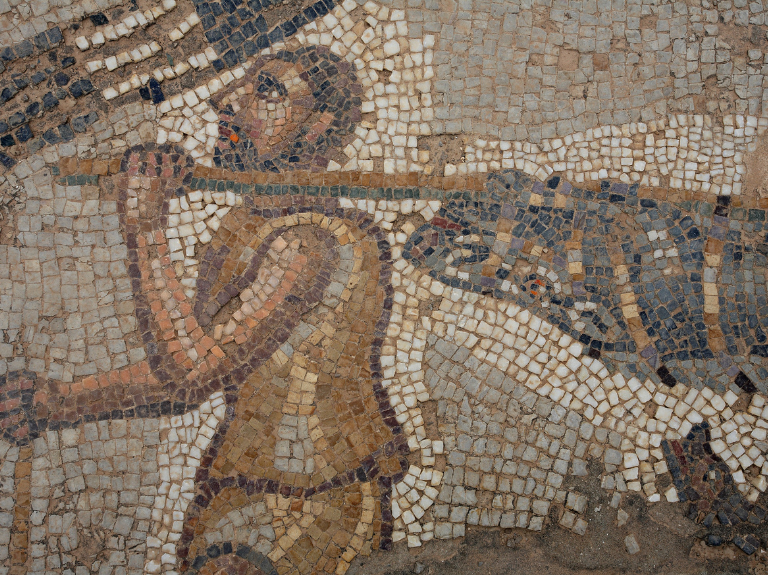
Scholarly research into these artistic masterpieces, including mosaic floors, provides insights into Roman aesthetic values and social norms, making the site a must-visit for enthusiasts of art and history alike. While some mosaics were transferred to bardo museum, most of them are still showcased in the site.
Rich Historical Significance
The site's history, stretching back to at least the 5th century BC and later becoming a significant city in the Numidian kingdom before its integration into the Roman Empire, is well-documented in ancient texts and inscriptions.

This blend of cultures and historical narratives, uncovered through both archaeological and textual evidence, underscores Bulla Regia's importance as a cultural and economic hub in the ancient world. Some findings in the site revealed that the old inhabitants were loyal to Baal Hammon, the Carthagian god.
Exceptional Preservation
The underground preservation of Bulla Regia's structures has protected them from the elements, allowing for an unparalleled state of preservation that cannot be found in other parts of tunisia.
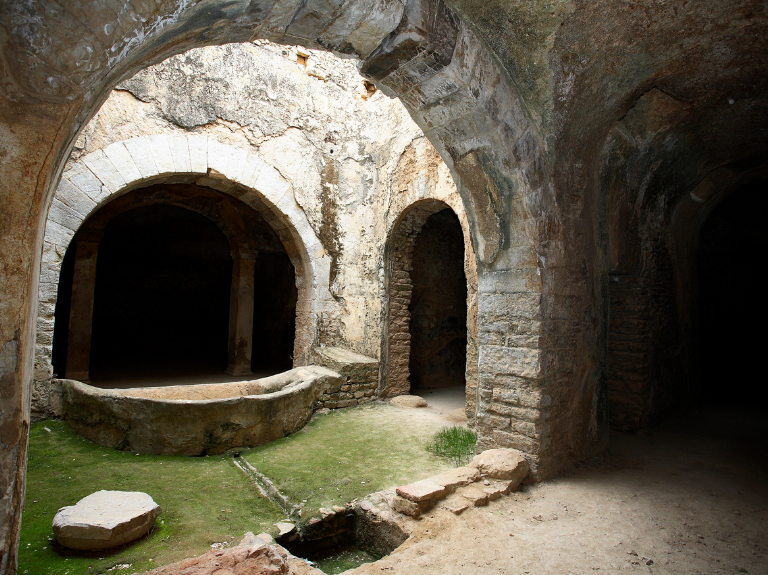
This exceptional condition, a rarity among archaeological sites, offers an authentic and immersive experience into Roman architecture and urban planning. The preservation of these structures is not only a testament to the durability of Roman engineering but also provides invaluable data for scholarly research, further enhancing our understanding of ancient Roman life.
Also Read: Your Ultimate Guide to Carthage Archeological Site : A local's Guide
How to Explore Bulla Regia
At Bulla Regia, visitors can immerse themselves in the remnants of a bygone era. The archaeological wonders transport you back in time. Key attractions include:
Baths of Julia Memmia
Explore the ruins of ancient public baths and marvel at the resilience of structures that have withstood earthquakes.
The Christian Basilica
A significant religious site that showcases the spread of Christianity in the region.
Underground Houses
The highlight of Bulla Regia. These houses were built underground to escape the scorching summer heat, a clever architectural solution unique to this area.
The Forum and the Market of Mercury
The social and economic heart of the ancient city, where merchants and citizens once gathered.
The Theatre
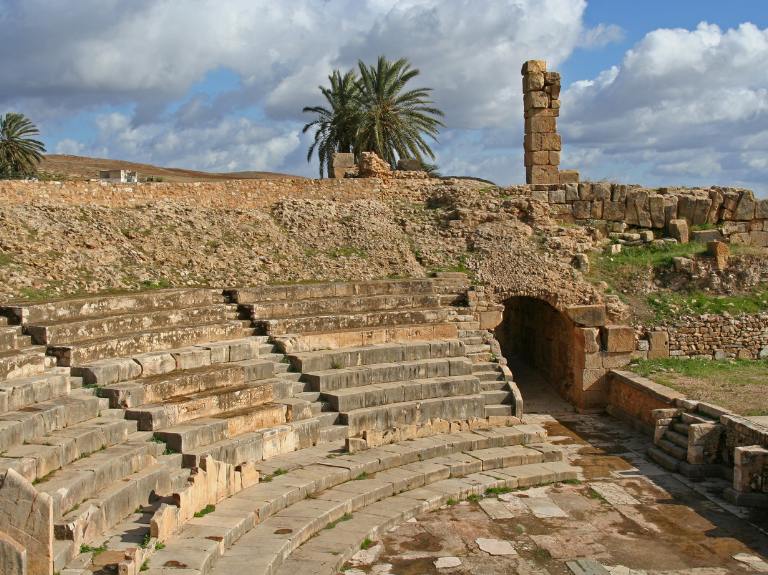
Though now filled with earth, it once hosted performances and gatherings, including a notable visit by St. Augustine.
Reasons to Visit Chemtou
Chemtou, formerly known as Simitthus, was renowned for its marble quarries, particularly the gialó numidicum marble. The city flourished due to its marble wealth, which adorned prestigious buildings across the ancient Mediterranean. Exploring Chemtou unveils not only the industrial facilities and quarries but also the city's monuments such as villas, a civil basilica, a theatre, barracks, and an aqueduct.
Combining historical documentation with archaeological discoveries and scholarly analysis, here are four compelling reasons to visit Chemtou:
Rich Historical Background
Chemtou's history includes several civilizations, like Numidian, Roman, and Byzantine periods. It's also a great testament of the byzantine rule. Originally known as Simitthu, its strategic significance and natural resources, notably the rare yellow marble, giallo antico, used in Roman imperial monuments, highlight its importance.
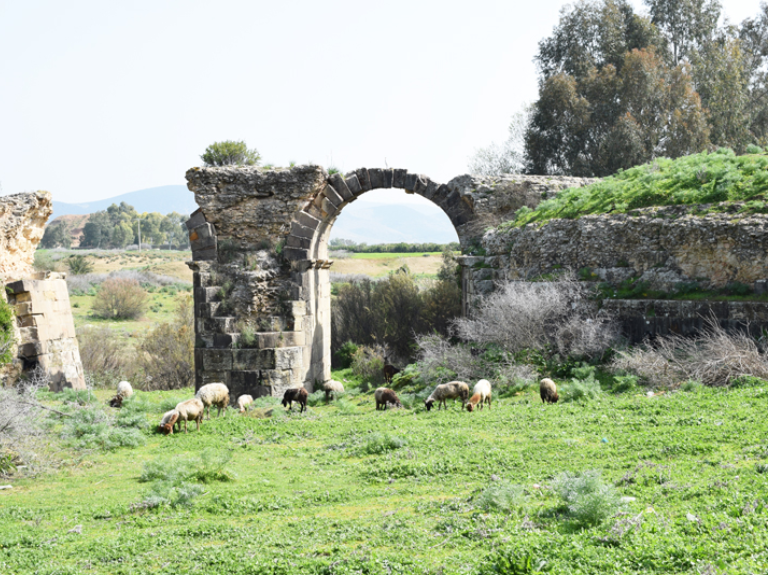
Historical documents and inscriptions, along with archaeological evidence, reveal its multifaceted role in antiquity as a political, economic, and religious center.
Unique Archaeological Features
The site is renowned for its ancient quarries, from which the prized yellow marble was extracted. These quarries offer insights into Roman engineering and quarrying techniques, rare for their historical period. Excavations have also unveiled a myriad of structures, including a series of temples, a Roman theater, and water management systems, that all show and tell the advanced urban planning and architectural sophistication of the societies that once thrived here.
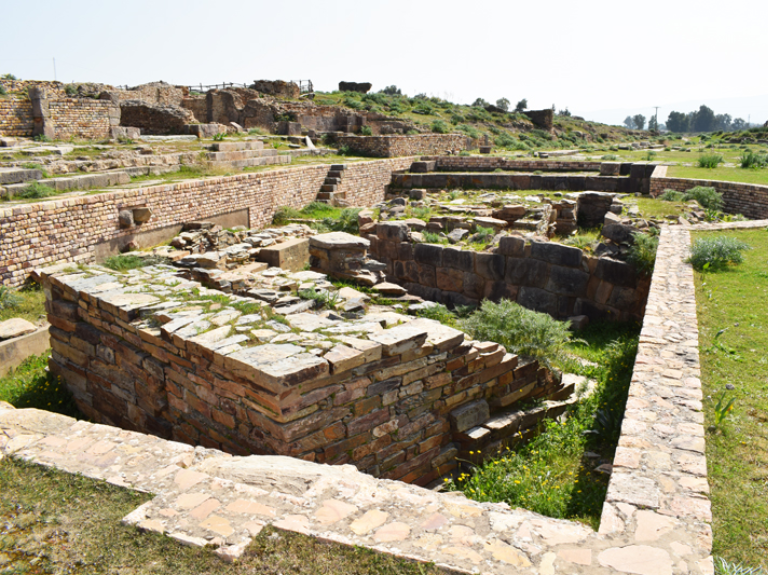
Museum of Chemtou
The onsite museum presents a meticulously curated collection of artifacts unearthed from Chemtou and its surrounding areas. These artifacts, ranging from marble sculptures to everyday utensils, give visitors a vivid picture of daily life across different epochs. The museum's exhibits are supported by scholarly research, providing context and narrative to the archaeological findings, making it an invaluable resource for understanding the cultural and historical significance of Chemtou.

Natural Beauty and Geological Significance
Beyond its historical and cultural allure, Chemtou is set in a stunning natural landscape that adds to the site's geological importance. The ancient marble quarries, now partly reclaimed by nature, offer a unique blend of human history and natural beauty. If you are someone who is always pondering on the combination of cultural heritage and natural wonders, this sites cater for an enriching experience where the interplay between human endeavor and the natural environment is seen and felt.
Also Read: 14 Amazing Archaeological Sites Still Unknown in Tunisia
How to Explore Chemtou
Like Bulla Regia, Chemtou's ruins tell stories of a civilization that thrived in the region. The site and its museum provide a comprehensive look into the use of marble in ancient architecture and the everyday lives of its people.

Key points of interest include:
Marble Museum
This museum showcases the history and significance of the famous Numidian marble, illustrating the city's importance in the ancient world. It showcases not only the artistic use of Numidian marble but also sheds light on the material and intellectual progress of the Numidian civilization.
Roman Bridge and Civil Basilica
Structures that highlight the engineering prowess of the Romans.
Theatre and Barracks
Offering insights into the cultural and military aspects of life in ancient Chemtou.
Aqueduct
An engineering marvel that supplied water to the city.
How to Get to Bulla Regia & Chemtou
To reach Bulla Regia, you need to go to Jendouba first. Buses from the main bus station operating to the northern side of the country, called Gare Routière Nord, are available from 5:30 am to 4 pm - an information you can find on the official website. The ticket is around 12 TND for a 3-hour ride. Once you reach Jendouba, you can hire a taxi to get you to Bulla Regia, located only 9 kilometers away from the center of Jendouba. If you’re into hiking, you can ask to be dropped off at the access point and then walk for 3 kilometers enjoying the scenic views.

Now that you are in Bulla Regia, you can either take the taxi driver number so you arrange for the trip to Chemtou, or you can wait at the access point for a taxi. We highly recommend the first option, as taxis there are not that common.
The key to visiting both archeological sites without a car is to negotiate with the taxi driver in Jendouba to make the trip as smooth and easy as possible.
Also Read: Driving in Tunisia : Everything You Need to Know Before Hitting the Road
How to Upscale your Visit?
While exploring Bulla Regia and Chemtou independently can be rewarding, delving deeper into their historical background with a knowledgeable guide can significantly enhance the experience.
Guided tours at Bulla Regia and Chemtou provide invaluable context, unveil hidden stories and details that may go unnoticed otherwise, and enhance the visitor's understanding of the historical significance of the sites. Through engaging discussions and insights, guides highlight the architectural marvels, cultural practices, and societal structures of these ancient settlements. Their expertise allows visitors to appreciate the significance of each ruin and artifact within its historical context.
As visitors navigate these two remote sites, a guide can enhance an immersive experience where the ancient civilizations are brought to life and every step may feel like a step back in time.
Don’t Miss the Deep Dive in History Bulla Regia & Chemtou have to offer
Don't miss this opportunity to immerse yourself in the deep history that Bulla Regia and Chemtou have to offer, an experience that promises to be as enriching as it is unforgettable. While Bulla Regia is notable for its unique underground villas, providing insights into Roman architectural innovation for climate adaptation, Chemtou is renowned for its ancient marble quarries and historical significance.


